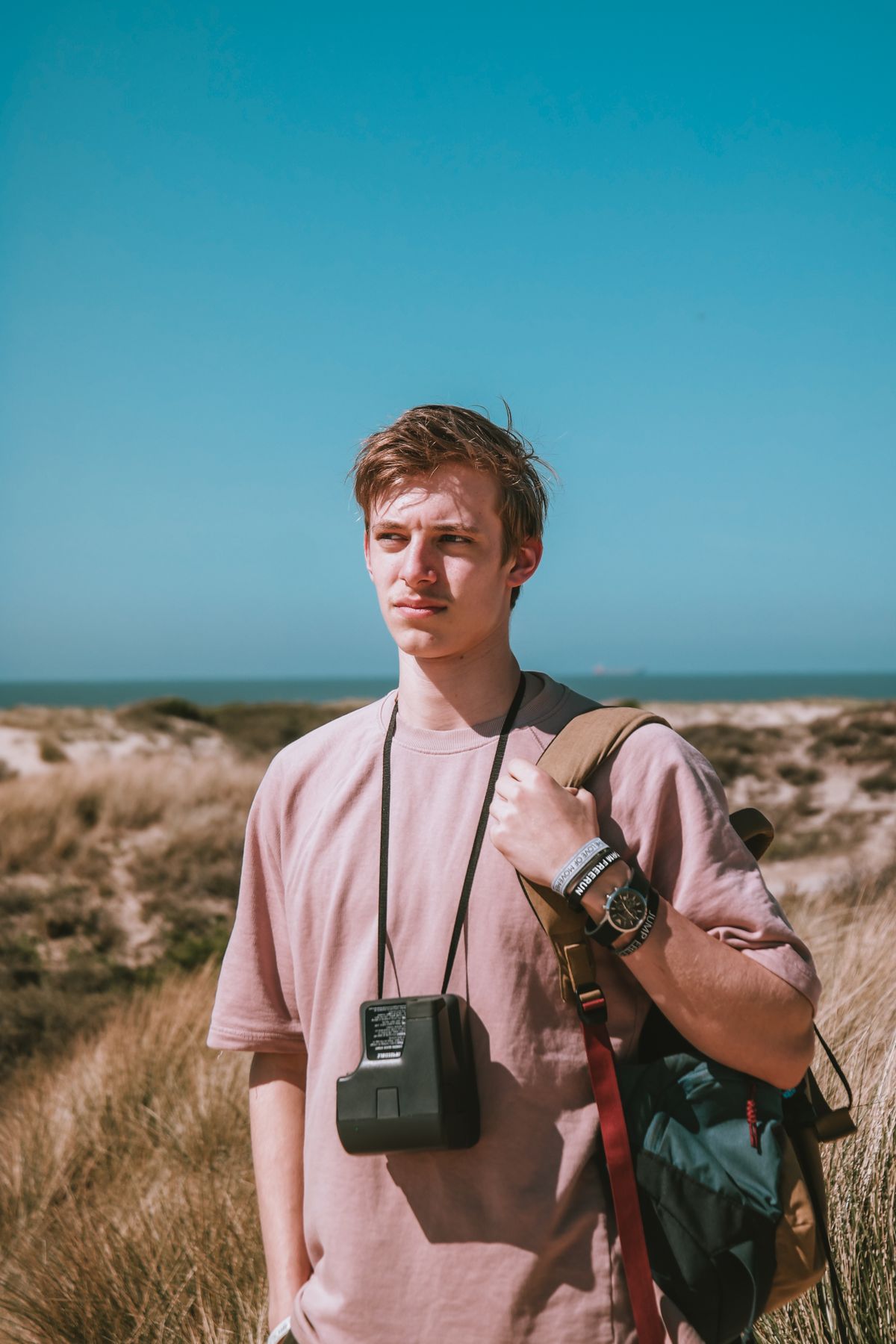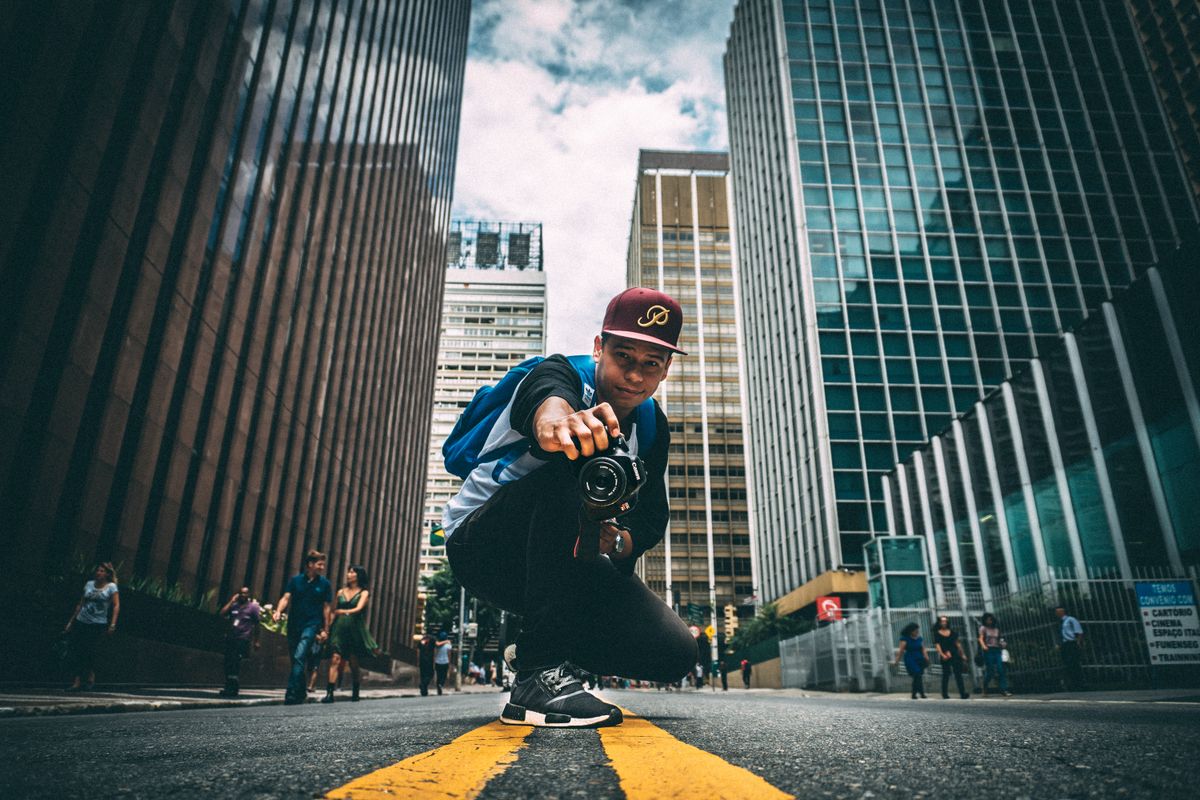
Street photography is the art of catching brief, perfect moments from unplanned life. Henri Cartier-Bresson’s "decisive moment" is the heart of the genre, where light, motion and composition meet within a single second. A good street photographer behaves like part of the scene without intervening in it.
The Decisive Moment and Being Invisible
Small, quiet gear makes it easy to work without drawing attention. Watching for high-contrast moments where light falls between buildings turns an ordinary street into a dramatic scene. Respecting people’s privacy and knowing local laws is the indispensable ethical foundation of the genre.
Camera and Lens Selection
A discreet, lightweight body is the golden rule for street photography. A 35 mm or 50 mm prime gives a field of view close to the human eye and enables fast shooting. Use a lens hood instead of a cap; be ready to shoot one-handed in an instant. Black or grey bodies draw far less attention than bright metallic ones.
Composition on the Move
Pre-visualise your frame and wait for the decisive moment to complete it — "frame and wait" produces the strongest street shots. Light, shadow, reflection and layering build powerful compositions. Half-framing a person is sometimes stronger than full framing. Leave enough "lead room" in the direction the moving subject is heading.
Ethics and Legal Considerations
In most countries photographing in public spaces is a legal right; private property and children are exceptions. Model releases may be needed for editorial or commercial use. Asking permission keeps you on both the ethical and safe side. Deleting photos at a refusal is good practice. Showing respect usually leads you to where you can shoot your best images.
Black & White vs Colour
Black-and-white street photography removes distracting colours and lets you focus on emotion, light and geometry. Colour, on the other hand, powerfully conveys street culture, graffiti art and local colour palettes. Keep shooting in RAW; make the decision later. Try both and see which reflects your style better.
Building a Street Photography Series
A series offers a far stronger narrative than a single frame. Choose a theme: morning commutes, street vendors, rainy days or a specific neighbourhood. Keep the series to 10–15 images; each should complement the previous but stand alone too. Series are compelling submissions for galleries, photo books or photography magazines.
Editing Street Photography
Noise reduction and sharpening balance is critical for high-ISO shots. Vignetting and contrast boosts create a strong atmosphere. Selective colour desaturation can highlight a single element. Dramatic use of light and shadow makes street photography cinematic. Over-retouching kills authenticity; stay selective and minimal.
Photostorio: On Photostorio you can compare specialist photographers, studios and models, browse their portfolios and book online.
','ipucu','street photography, city, candid, composition','Street Photography Guide 2026 | Photostorio